Bakuchiol vs Retinol: Which One Is Better for Your Skin?
admin
J-Beauty Brand Hub
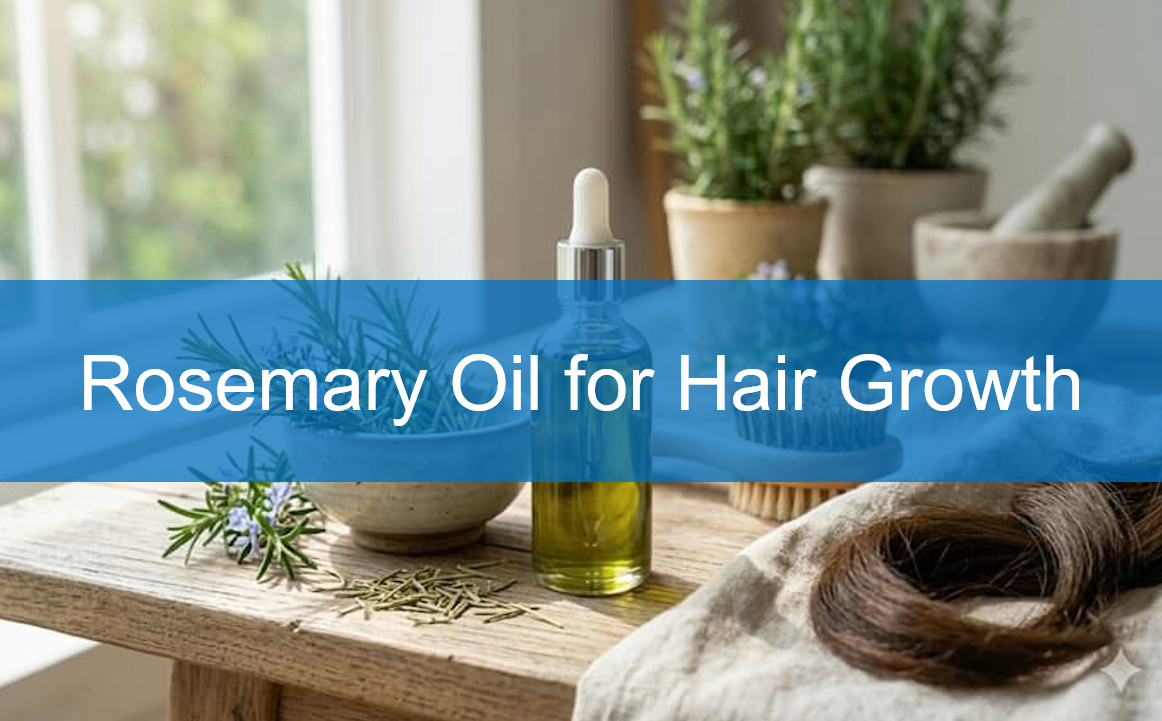
Hair thinning and slow growth are common concerns across different age groups. While genetics, hormones, stress, and lifestyle all play a role, interest in plant-based solutions has grown steadily in recent years. Among these, rosemary oil has gained attention as a scalp-focused ingredient often associated with supporting healthier-looking hair.
Rosemary oil for hair growth is not a new concept. It has been used traditionally in herbal care for centuries. What has changed is the way it is formulated, tested, and incorporated into modern hair care products. To understand its role properly, it is important to separate evidence-based benefits from exaggerated claims and examine how it works, how it is formulated, and how it should be used safely.


Rosemary oil refers to the essential oil extracted from the leaves of the rosemary plant, Rosmarinus officinalis. In hair care, it is primarily used in diluted form within scalp serums, shampoos, tonics, and leave-in treatments.
Unlike synthetic growth stimulants, rosemary oil functions by supporting scalp health rather than directly altering hair biology. Healthy hair growth begins at the follicle, and follicles depend on a balanced scalp environment, adequate circulation, and reduced oxidative stress. Rosemary oil is often positioned as an ingredient that supports these underlying conditions.

Understanding how rosemary oil functions require examining its chemical composition, biological effects, and available research. It is not a miracle cure for hair loss, but it may play a supportive role in overall scalp care.
Rosemary oil contains several active compounds, including:
● 1,8-cineole
● Camphor
● Alpha-pinene
● Rosmarinic acid
These compounds contribute to its antioxidant, anti-inflammatory, and antimicrobial properties. In scalp applications, these properties may help maintain a cleaner and more balanced environment around hair follicles.
Antioxidant activity is particularly relevant because oxidative stress has been linked to hair aging and follicle miniaturisation. By reducing free radical activity on the scalp surface, rosemary oil may help support healthier-looking hair over time.
One of the most commonly discussed mechanisms behind rosemary oil for hair growth is improved scalp circulation. The theory is that stimulating microcirculation helps deliver oxygen and nutrients to hair follicles.
Hair follicles are metabolically active structures. Adequate blood supply is essential for maintaining the growth phase of the hair cycle. While rosemary oil does not create new follicles, supporting scalp circulation may contribute to stronger hair strands and reduced breakage.
The sensation of mild warmth or tingling that some users experience is linked to increased surface stimulation. This effect is why rosemary oil is often included in scalp massage blends.
Interest in rosemary oil intensified after a small clinical study compared rosemary oil to minoxidil 2% percent in individuals with androgenetic hair thinning. The study suggested that rosemary oil produced comparable improvement in hair count over several months, with fewer reports of scalp itching.
However, it is important to interpret such findings carefully. The study sample size was limited, and more large-scale research is needed to confirm long-term efficacy. Rosemary oil should not be positioned as a pharmaceutical substitute without medical supervision.
Current evidence supports the idea that rosemary oil may help improve scalp condition and possibly support hair density over time when used consistently.
Beyond circulation support, rosemary oil contributes to scalp conditioning. Its antimicrobial properties may help manage scalp buildup, which can interfere with follicle function.
An imbalanced scalp environment, including excess sebum or microbial overgrowth, can contribute to irritation. By helping maintain a balanced scalp surface, rosemary oil indirectly supports the conditions needed for healthier hair growth.
The key point is that rosemary oil works as part of a broader scalp care strategy rather than acting as a standalone cure.

Using rosemary oil effectively requires careful formulation. Essential oils are highly concentrated and must be diluted properly before topical application.
Rosemary oil can be incorporated into various product formats, including:
● Scalp serums
● Hair tonics
● Shampoos
● Conditioners
● Leave-in treatments
● Pre-shampoo oils
Leave-on formulations generally allow longer contact time with the scalp, which may enhance perceived benefits. Rinse-off products like shampoos provide shorter exposure but can contribute to overall scalp support when used regularly.
Serums and lightweight oils are common delivery systems because they allow direct application to the scalp without heavily coating the hair shaft.
Essential oils should never be applied directly to the scalp without dilution. Concentration control is critical to avoid irritation.
In cosmetic formulations, rosemary oil is typically used at low percentages, often between 0.1 percent and 2 percent depending on the product type. For home dilution, it is commonly mixed with carrier oils such as jojoba or coconut oil.
Proper dilution reduces the risk of redness, burning, or sensitisation while maintaining functional benefits.
Because rosemary oil has a strong herbal scent, formulators must balance concentration with user comfort. Excessive levels can create an overpowering aroma or cause scalp discomfort.
Sensory optimisation includes:
● Blending with complementary essential oils
● Adjusting fragrance intensity
● Ensuring even distribution in the base formula
A well-formulated product should provide a mild, fresh scent without irritation.
Rosemary oil is often combined with other scalp-supportive ingredients such as:
● Niacinamide
● Caffeine
● Biotin
● Peptides
● Panthenol
Compatibility testing ensures that the essential oil does not destabilise emulsions or interfere with preservative systems. Since essential oils can interact with certain surfactants or actives, formulation stability testing is essential.
When properly integrated, rosemary oil can complement other ingredients rather than compete with them.
Application depends on the product format.
For pre-shampoo oil treatments:
● Apply diluted rosemary oil directly to the scalp.
● Massage gently for several minutes.
● Leave on for 20 to 30 minutes before washing.
For leave-in serums:
● Apply a small amount to a clean, dry or damp scalp.
● Focus on thinning areas.
● Do not rinse unless instructed.
Consistency is more important than intensity. Results, if any, typically require several months of regular use.

When properly diluted and formulated, rosemary oil is generally considered safe for cosmetic use. However, essential oils require caution.
Before full application, a patch test is recommended. Apply a small amount of diluted product to the inner forearm and wait 24 hours to check for irritation.
Individuals with sensitive skin or existing scalp conditions should exercise additional caution. Essential oils can trigger contact dermatitis in susceptible individuals.
Possible side effects include:
● Scalp redness
● Itching
● Burning sensation
● Allergic reaction
Rosemary oil should be avoided in high concentrations. Pregnant individuals or those with certain medical conditions should consult a healthcare professional before use, especially when using concentrated essential oil blends.
It should also be kept away from the eye area.
In cosmetic products, rosemary oil must comply with regulatory guidelines regarding allowable concentration levels and labelling requirements.
Manufacturers must ensure safety assessments are conducted, and allergen declarations are included where required. Essential oil components that are known allergens must be disclosed according to cosmetic regulations in many regions.
Adhering to these standards helps protect consumers from misuse or overexposure.
While rosemary oil is often discussed in relation to hair growth, cosmetic products cannot claim to treat medical hair loss conditions unless they meet pharmaceutical regulatory standards.
Marketing should avoid implying that rosemary oil cures alopecia or replaces prescribed treatments. Positioning it as a supportive scalp care ingredient aligns with regulatory compliance and realistic consumer expectations.

Rosemary oil for hair growth represents a plant-based approach focused on improving scalp health and supporting the natural hair cycle. Its antioxidant properties, potential circulation support, and conditioning effects contribute to a balanced scalp environment.
Scientific research suggests potential benefits, but results depend on consistent use and proper formulation. It is not a replacement for medical treatment in cases of clinically diagnosed hair loss.
When properly diluted and incorporated into well-designed products, rosemary oil can be a useful addition to a holistic hair care routine. As with any active ingredient, understanding how it works and using it responsibly ensures both safety and realistic expectations.